Photo: Doggo19292, public domain, via Wikimedia Commons
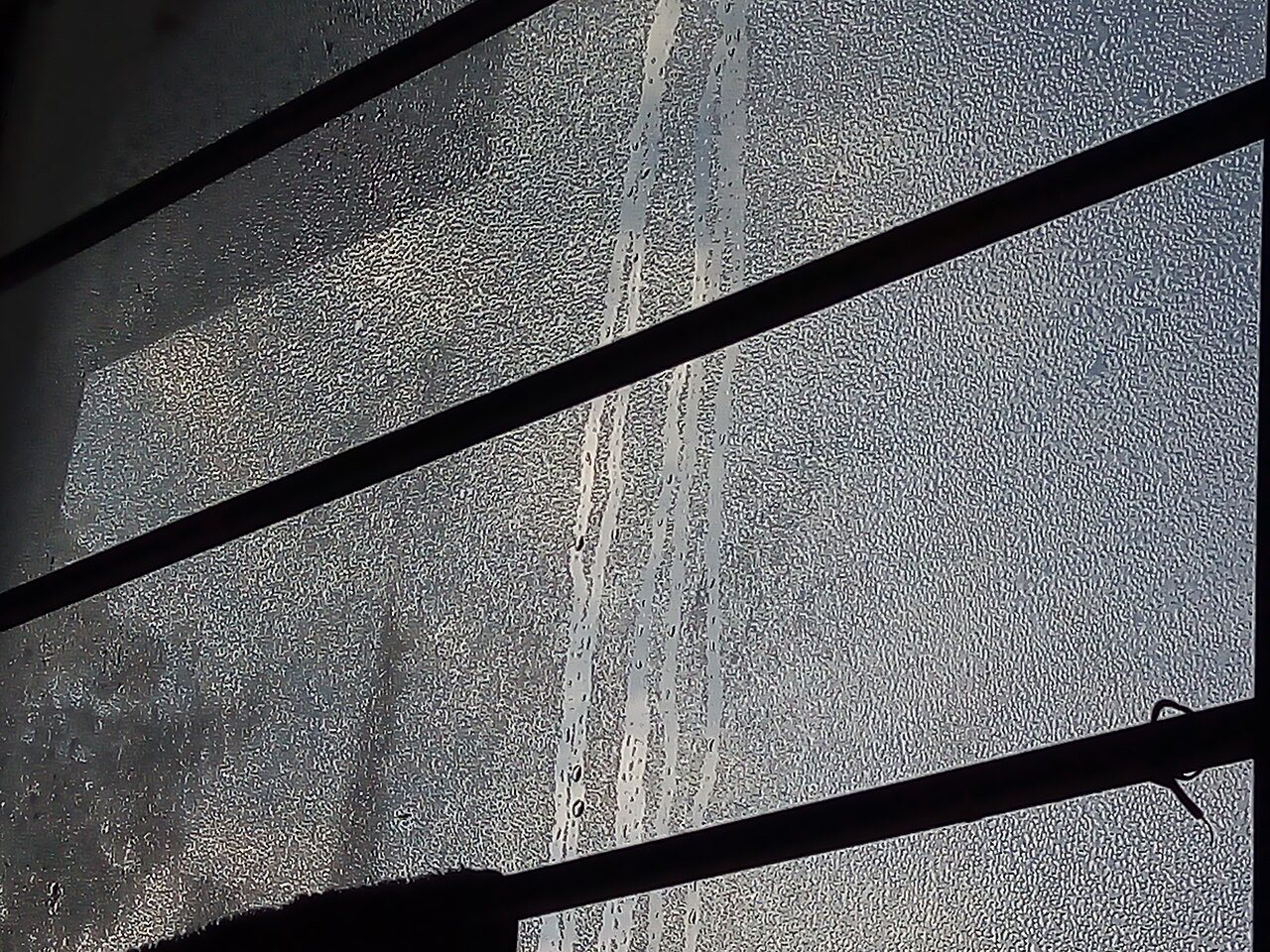
The first properly cold morning of the season usually brings it: blinds pulled up, and every window in the bedroom is fogged over, with little rivers running down onto the sill. You wipe it off with a sleeve, and by the next morning it is back.
Almost all of that water comes from inside the house, out of the air you have been breathing, cooking in and showering in all night.
Most window condensation can be cut down a lot with habits that cost little or nothing. Some of it, though, is telling you something about your windows, so it is worth knowing which kind you have.
Why the glass gets wet in the first place
Warm air holds more water vapor than cold air. When warm, damp indoor air touches a surface colder than its dew point, some of that vapor turns back into liquid, which is the same thing that happens on a cold drink in summer.
In winter, window glass is usually the coldest surface in a room, especially older single-pane glass and the edges of double-pane units. So that is where the moisture shows up first, often in the lower corners where the glass is coldest.
The water comes from ordinary life. Showers, cooking, boiling kettles, drying laundry indoors, a lot of houseplants, and simply breathing in a closed bedroom overnight all add moisture to the air. A humidifier running on a high setting adds a great deal more.
Measure the humidity before you start fixing
A cheap digital hygrometer (a small humidity meter, often built into an indoor thermometer) is the most useful tool here, because it tells you whether you have a real moisture problem or just a cold window.
The US Environmental Protection Agency suggests keeping indoor relative humidity between 30 and 50 percent, and below 60 percent to discourage mold. When it is very cold outside, you may need to keep it toward the lower end of that range to keep windows clear, and window manufacturers often publish their own guidance on this. Put the meter in the room with the worst windows and check it in the morning, when condensation is usually heaviest.
The fixes that actually work
Close-up of fogged window panes divided by white glazing bars. Photo: Shixart1985, CC BY 2.0, via Wikimedia Commons
Most of this is about moving damp air out and getting warm air to the glass. In rough order of effort:
Run the bathroom exhaust fan during every shower and for a while afterward, and use the range hood when you cook, especially when boiling water. Check that both vent to the outside rather than into the attic.
Open blinds and curtains during the day, and leave them slightly open at night if you can. Heavy curtains trap a pocket of cold air against the glass, which makes condensation worse.
Turn your humidifier down, or off, if the hygrometer reads high.
Dry laundry outdoors, in a vented dryer, or in a room with a fan running, rather than on racks in a closed bedroom.
Crack a window or a trickle vent for a few minutes a day, particularly in bedrooms. It feels backward in winter, but swapping out damp air does more than you would expect.
In a persistently damp room, a dehumidifier can bring the humidity down quickly.
Wipe the glass and sill each morning while you get on top of it. A small squeegee and a microfiber cloth are faster than paper towels, and drying the frame matters as much as the glass, because standing water is what lets mold and rot get started.
Tricks that help a little, and ones that don't
Window insulation film kits, the clear plastic you tape around the frame and tighten with a hair dryer, can reduce condensation on drafty single-pane windows by adding a layer of still air. They are cheap and they come off in spring. Use the hair dryer carefully near the tape and the film, since too much heat in one spot can melt it.
Wiping glass with a little dish soap or shaving cream is an old trick for bathroom mirrors. It changes how the water spreads, so it fogs less visibly, but it does nothing about the moisture itself, so I would not bother with it on windows.
Turning the heat up slightly can also help, since warmer glass is less likely to reach the dew point. Whether that is worth the heating bill is your call.
When the fog is between the panes
If the moisture is inside a double- or triple-pane window, between the layers of glass, no amount of wiping or ventilating will touch it. That usually means the seal around the insulated glass unit has failed and moist air has got in.
The window still works, but it insulates less well than it should, and the fog tends to come and go with the weather. A glazier can often replace just the sealed glass unit rather than the whole window, so get a quote for that before anyone sells you new frames. Check your warranty, too; some manufacturers cover seal failures for many years.
Condensation on the outside of the glass on a cool morning is a different matter, and usually a sign the window is doing its job of keeping the heat in.
Safety note on mold
If you find black or gray spots on the sills or around the frames, clean small patches with soapy water or a household mold cleaner, wearing gloves and keeping the room ventilated. Never mix bleach with vinegar, ammonia or other cleaners, since that can release toxic gases. Mold that keeps coming back or covers a large area is worth having a professional look at, because it usually means there is more moisture somewhere than the windows are showing you.
See more of us on GoogleAdd Hacks Detective as a preferred source and our stories can show up more often for you in Top Stories.