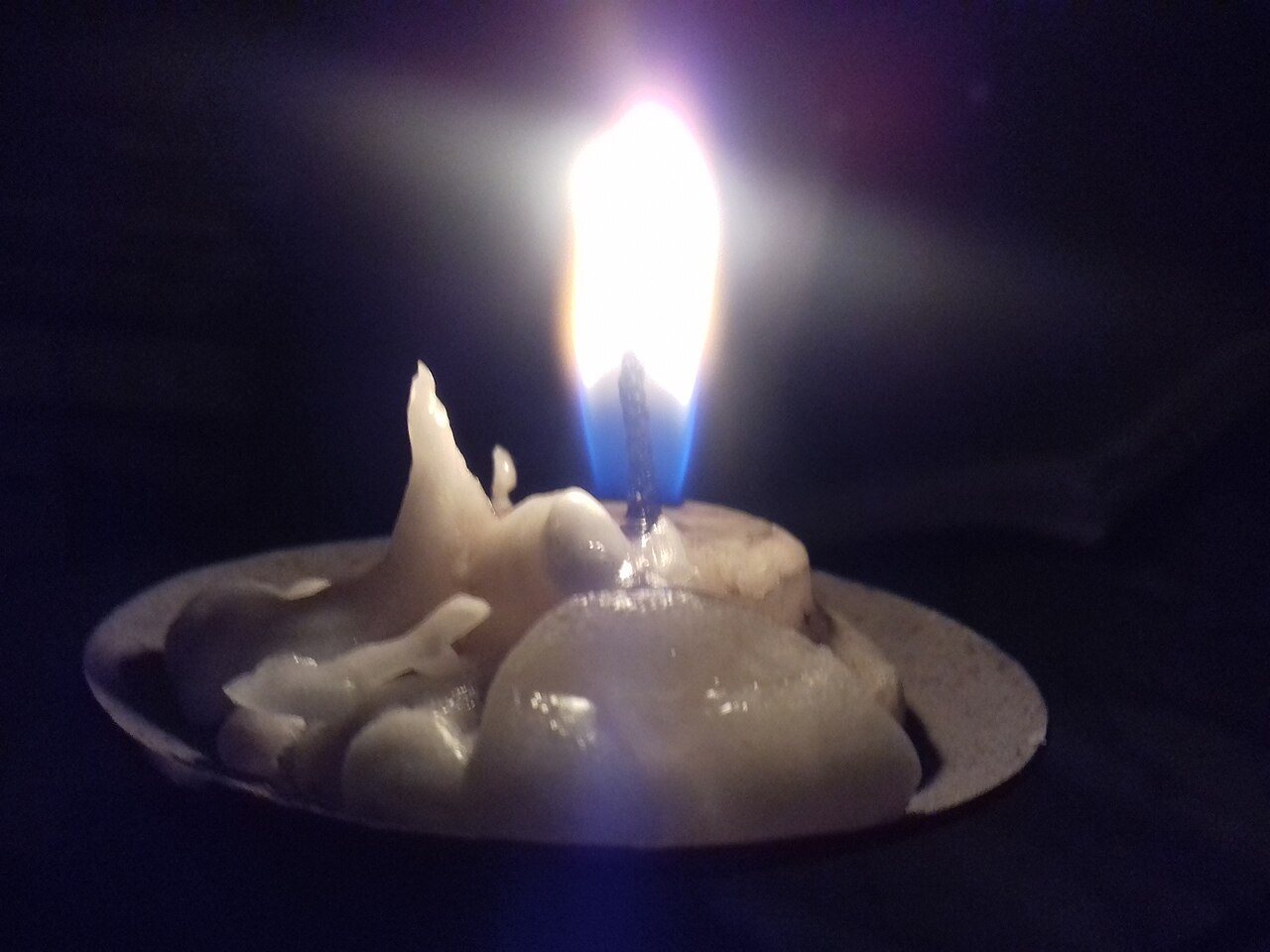
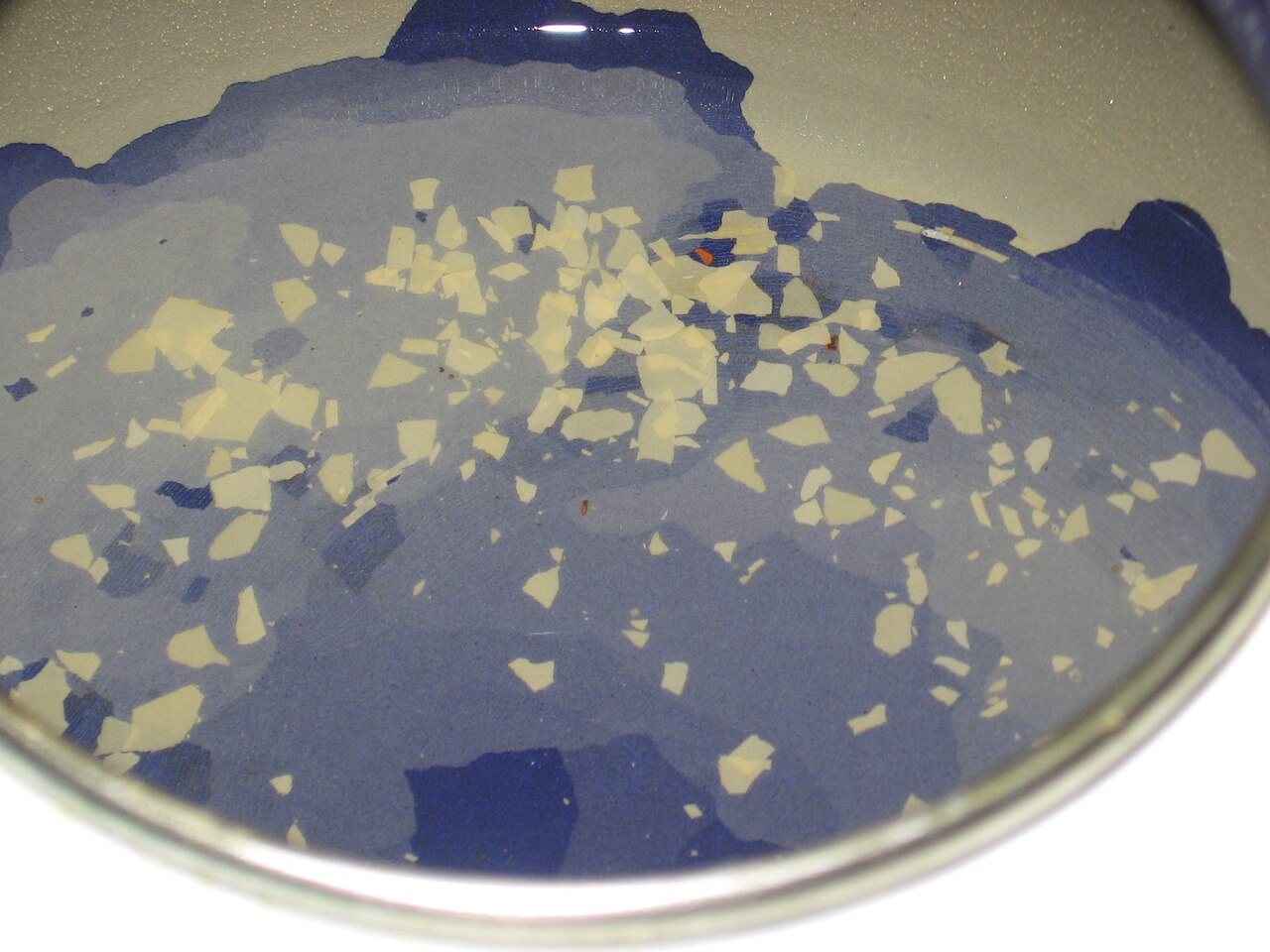
Candle season is starting, which means that somewhere in the next six weeks a tablecloth, a rug or a favorite sweater is going to get a drip of wax on it. Usually during dinner, usually on the one thing you cannot just throw in the wash.
The good news is that wax is one of the easier messes to deal with, as long as you resist the urge to scrub it while it is still soft. The method that works on most fabrics has three stages: make the wax hard, take off as much as you can by hand, then melt what is left out of the fibers and into something absorbent.
Step one: let it set, or speed it up with ice
Warm wax smears. If you wipe at it, you push it deeper into the weave and spread it over a bigger area. Leave it alone until it has hardened completely.
To speed things up, put a few ice cubes in a sealed plastic bag and hold it on the wax for a few minutes. For something small and washable, like a napkin or a scarf, you can put the whole thing in a bag in the freezer for half an hour instead. Cold wax turns brittle, and brittle wax cracks away from fabric instead of clinging to it.
Step two: scrape off everything you can
Once the wax is hard, flex the fabric and pick off the big pieces with your fingers. Then use something dull to lift the rest: the back of a butter knife, an old credit card or the edge of a spoon. Work gently, from the outside of the spot inward, so you do not drag wax onto clean fabric.
On carpet, a stiff brush or a fork can loosen the bits caught in the pile, followed by the vacuum. You will usually be left with a thin, waxy film and maybe some color. That is what the next step is for.
Step three: the iron and paper towel trick
Lay a couple of sheets of plain paper towel or a piece of brown paper bag over the spot. (Avoid printed paper or anything with ink on it, which can transfer.) If you are working on a tablecloth or a garment, put another sheet underneath as well.
Set your iron to a low or medium heat with the steam off, and press it on the paper for a few seconds at a time. Lift it, check, then move to a clean part of the paper and repeat. As the wax melts, the paper soaks it up, and you will see a greasy patch spreading into it. Keep going until no more wax comes through.
The reason this works is simple. Most candle wax melts at a temperature well below what an iron reaches even on a gentle setting, and paper towel pulls liquid up into its fibers in the same way it soaks up a spill. Give melted wax a choice between tightly woven cloth and loose, absorbent paper, and a lot of it goes into the paper.
A hair dryer on a warm setting does a similar job when you cannot get an iron to the spot, such as on upholstery. Warm the wax and blot with paper towel as it softens.
When the iron is a bad idea
Heat is the risky part of this whole process, so a few plain warnings.
Many carpets and rugs are made from synthetic fibers like polyester, nylon or olefin, which can melt or go shiny under an iron. The same goes for some synthetic clothing, velvet and anything with a pile. Check the care label, keep the iron at its lowest useful setting, and test on a hidden corner first. If in doubt, use the hair dryer instead, held a few inches away.
Never leave a hot iron sitting on paper or carpet, and unplug it as soon as you finish. For silk, leather, suede or anything labeled dry clean only, I would skip the home treatment and take it to a cleaner after scraping off what you can.
Dealing with the colored stain left behind
Red and green holiday candles often leave a tint even after the wax itself is gone, because the dye has soaked into the fabric. For washable items, treat the mark with your usual laundry stain remover and wash it as the care label allows.
Some people use a little rubbing alcohol on a cloth to lift dye from colorfast fabrics. Test it on a hidden spot first, keep the room ventilated, and keep it well away from candles or any other flame, since it is flammable. Check the stain before you put anything in the dryer, because dryer heat can set what is left.
Wax on hard surfaces and in the holders
On wood furniture, let the wax harden, then ease it off with a plastic scraper or an old card. A hair dryer on low will soften any remaining film so you can wipe it away with a soft cloth, followed by your usual furniture polish.
For glass votives and candle holders, the freezer is the easy answer. A few hours in the cold and the leftover wax usually shrinks enough to pop out in one piece. It is one of the few cleaning jobs where doing nothing for an afternoon gets most of the work done for you.
See more of us on GoogleAdd Hacks Detective as a preferred source and our stories can show up more often for you in Top Stories.