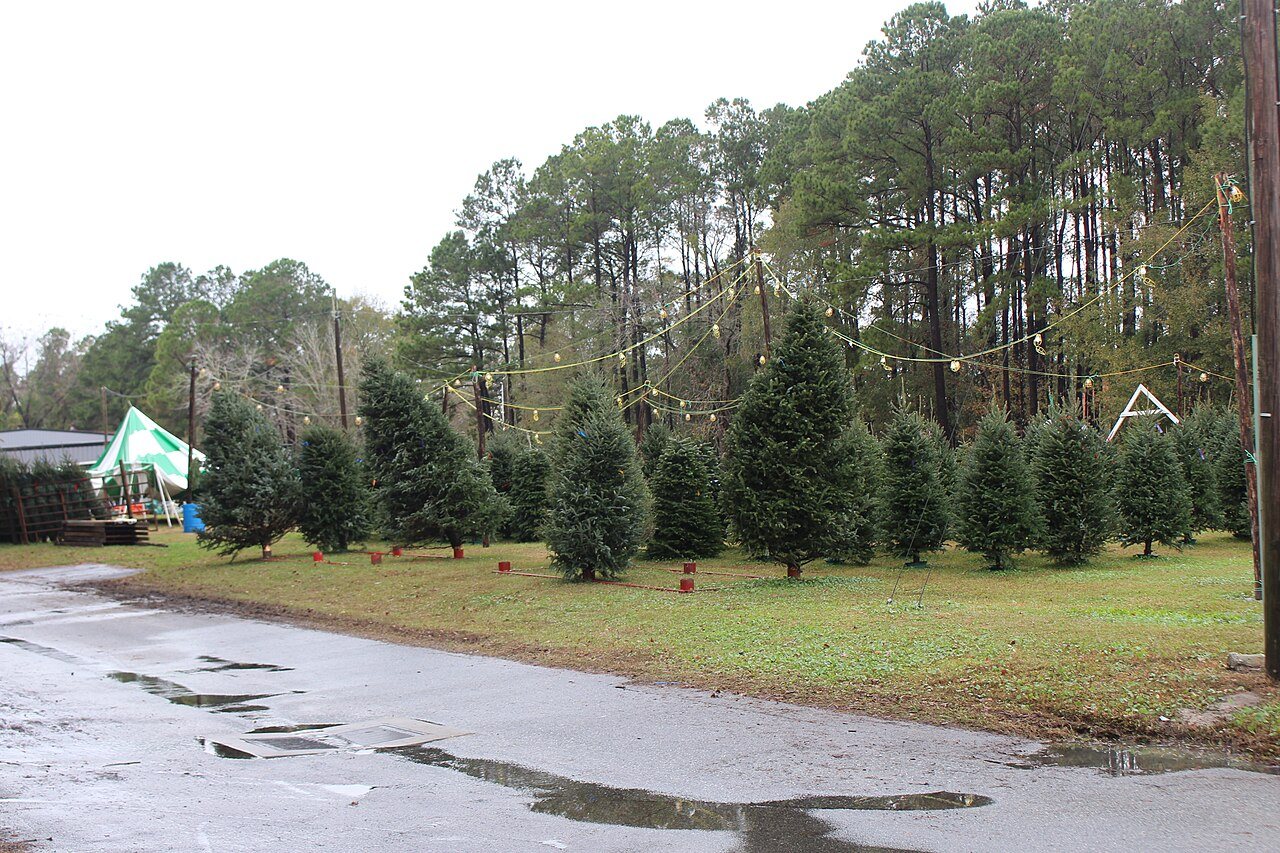
The weekend after Thanksgiving is when a lot of real Christmas trees go up, and by the second week of December some of them are already shedding needles every time someone walks past. That's usually not a bad tree. Most of the time it's a tree that went a few hours without water at the wrong moment.
The good news is that keeping a cut tree fresh is mostly simple. Christmas tree growers and university extension researchers have tested the folk remedies over the years, and the boring answer keeps winning. Cut the trunk fresh, then give it a stand that holds plenty of water and never let that stand run dry.
Here's the routine that works, plus the hacks you can safely skip.
Pick a tree that's still fresh on the lot
Freshness starts before you pay. Run your hand gently along a branch toward you. The needles on a fresh tree bend and stay attached; dry ones snap or come away in your palm. Then lift the tree a few inches and drop it on its trunk. A few brown needles from the inside are normal (trees shed old interior needles every year). A shower of green ones is a bad sign.
Species matters too. Firs, including Fraser, noble and Nordmann firs, are known for holding their needles well. Some spruces, especially Norway spruce, tend to drop needles sooner indoors, so if you want a tree to last into January, a fir is the safer bet.
Make a fresh cut right before it goes in the stand
When a tree is cut, sap starts sealing over the base, and a sealed trunk can't take up water well. If more than a few hours have passed since the tree was cut, saw a thin disc off the bottom (somewhere between a quarter inch and an inch is plenty) just before you put it in the stand.
Cut straight across. Angled cuts, V-shaped notches and holes drilled into the trunk don't help it drink, and they can make the tree harder to stand up straight. Don't whittle the bark off the sides to make it fit a small stand either. The outer layers are where the water actually moves.
If you can't set the tree up the same day, stand it in a bucket of water somewhere cool and out of the wind, like an unheated garage, and recut it when you bring it in.
Use a big stand and check it every day
A fresh tree is thirstier than people expect. The National Christmas Tree Association's rule of thumb is up to a quart of water per day for every inch of trunk diameter, and the first few days are the heaviest. A tree with a 4-inch trunk could empty a gallon a day.
So get a stand that holds at least that, and check it every morning. If the water drops below the cut end, the base can seal over again and the tree may stop drinking even after you refill it. This is the single most common way trees dry out, and it often happens on day two when everyone assumes it's fine.
Kids are good at this job, for what it's worth. Make checking the water part of somebody's morning, and it gets done.
Skip the aspirin, sugar and bleach
Every December someone suggests adding aspirin, sugar, a splash of soda, bleach or vodka to the tree water. Extension researchers who have tested these additives haven't found them to beat plain tap water, and some (sugar especially) can feed bacteria and make the water murky. Commercial tree preservatives have generally performed no better than water either.
I'd save the money and the effort. Plain water, kept topped up, does the job.
Keep it away from heat, and watch the lights
A dry tree is a fire risk, so here is the safety note. Set the tree up away from fireplaces, radiators, space heaters and heating vents; the US National Fire Protection Association recommends keeping it at least three feet from any heat source. Heat also dries the tree faster, so a cooler corner helps on both counts.
Use lights that are in good condition and rated for indoor use, check cords for damage, and don't overload outlets. LED strings run much cooler than old incandescent bulbs, which is one more reason to switch. Turn the lights off when you go to bed or leave the house.
If the tree gets so dry that needles fall at a touch, don't push your luck. Take it down.
When it's time for it to go
Even a well-watered tree won't last forever. With good care, a fresh tree should comfortably make it through the holidays, and many will look fine into early January. Once it starts dropping green needles in quantity, it's done.
Before you drag it out, slide an old sheet or a tree bag under the stand to catch the needles on the way to the door. Then check whether your town collects trees after the holidays. Many local governments chip them into mulch, which is a far better ending than the curb in March (we've all seen that one tree).
See more of us on GoogleAdd Hacks Detective as a preferred source and our stories can show up more often for you in Top Stories.