Photo: Mark Miller, CC BY-SA 4.0, via Wikimedia Commons
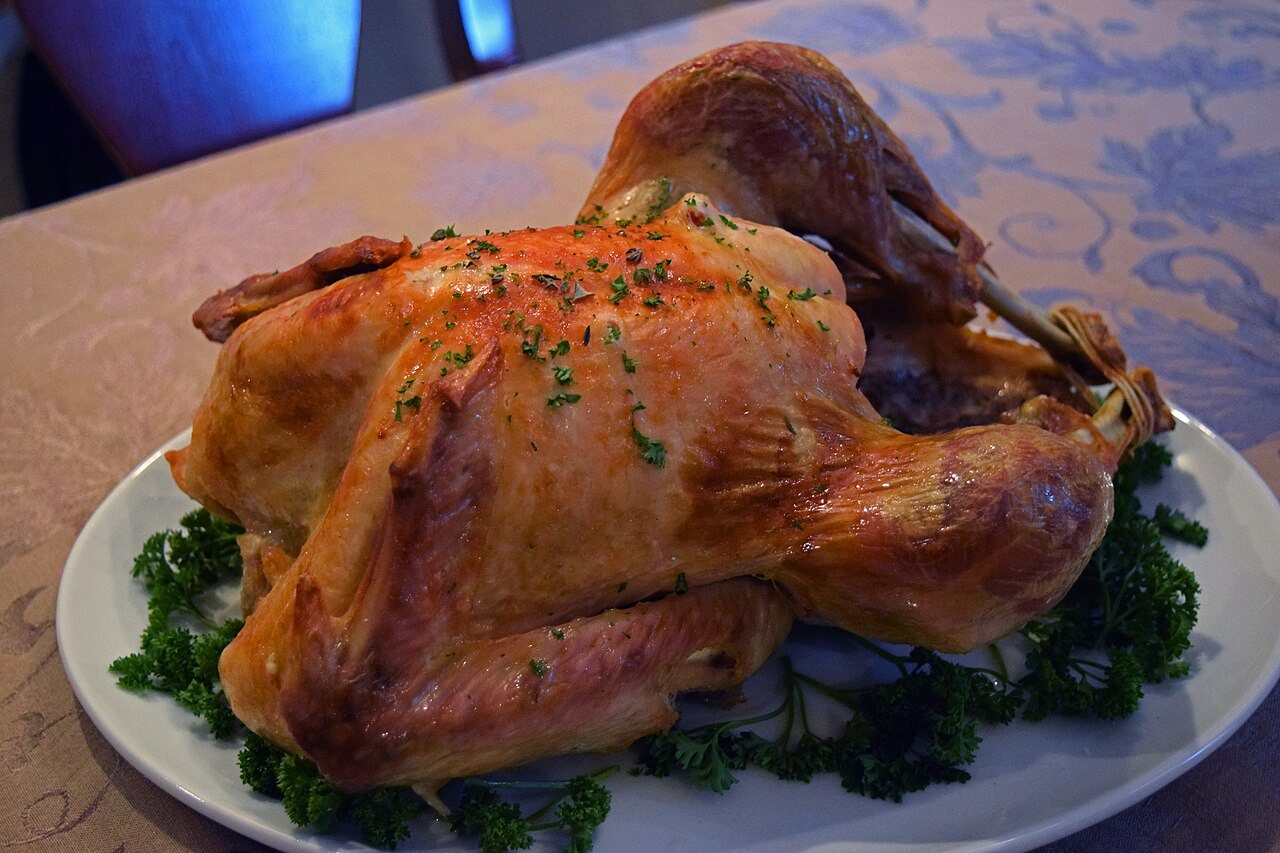
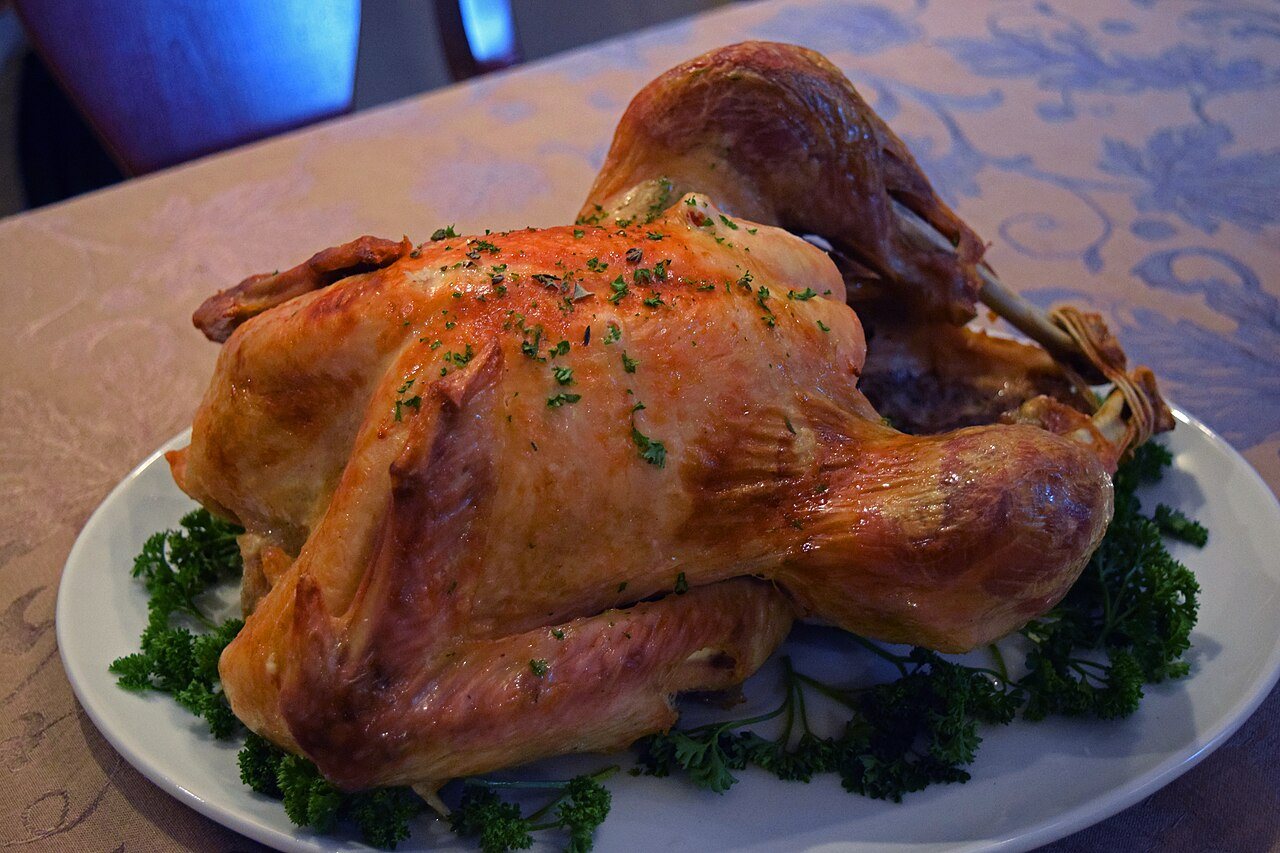
The most common Thanksgiving turkey problem isn't dry meat or soggy stuffing. It's a cook standing in front of the fridge on Wednesday night, poking a bird that is still hard as a bowling ball.
Frozen turkeys thaw slowly. Much more slowly than most people expect, and the safe methods don't speed up much no matter how nervous you get. This year Thanksgiving falls on Thursday, November 26, so if a frozen bird is going home with you this weekend, now is the time to work out the timing.
Here's how long each method takes, why the counter isn't one of them, and what to do if you've already left it too late.
The refrigerator method, and the math behind it
The U.S. Department of Agriculture's guidance is to allow roughly 24 hours of fridge time for every 4 to 5 pounds of turkey, with the fridge at 40°F or colder.
So a 12-pound bird needs about three days. A 20-pounder needs four to five. For a Thursday dinner, that means a large turkey should go into the fridge around Saturday the 21st, and I'd lean toward the earlier end, because home fridges and turkeys both vary.
Leave the turkey in its original wrapping and put it on a rimmed tray or in a roasting pan on the bottom shelf. Turkeys leak as they thaw, and you don't want raw juices dripping onto the salad greens.
There's a nice bonus to this method. A turkey thawed in the fridge can stay there for another day or two before you cook it, so finishing early isn't a problem. That flexibility is why it's the method to plan around.
One more check while you're at it: make room first. A big turkey on a tray takes up most of a shelf for the better part of a week, so it's worth clearing that space before the bird comes home, not while you're holding it.
The cold-water backup plan
If you've run short on days, a cold-water bath is the fallback. It's faster, but it takes more work.
Keep the turkey in a leak-proof plastic bag (the original wrapper often isn't watertight, so double-bag it if in doubt) and submerge it breast-side down in a sink or cooler full of cold tap water. Change the water every 30 minutes so it stays cold. The USDA estimate is about 30 minutes per pound, so a 14-pound turkey takes around seven hours.
That's a lot of trips to the sink. It's a fine plan for a Wednesday afternoon at home, and a bad one if you're also baking three pies. A turkey thawed this way should be cooked as soon as it's ready, not put back in the fridge for later.
Why the counter, the garage and hot water are out
A quick safety note. Bacteria multiply quickly between 40°F and 140°F, which food safety agencies call the danger zone. A turkey left on the counter thaws from the outside in, so the surface sits in that range for hours while the middle is still frozen solid.
The same goes for the garage, the back porch, the trunk of a car or the bathtub filled with warm water. They all feel cold enough, or warm enough, to help, and they all leave the outer layer of meat too warm for too long. Hot water is especially tempting and especially bad for that reason.
Microwave thawing is allowed if your microwave is big enough and your manual covers it, but parts of the bird start cooking while others are still icy, so you have to cook it right away. With a whole turkey it rarely works well, in my opinion.
Forgot entirely? Cook it frozen
The USDA says you can safely roast a turkey straight from frozen. It just takes longer, at least 50% more time than a thawed bird of the same size.
You can't take the giblets out of a frozen turkey, so roast it as is and pull out the bag of giblets with tongs once it has thawed enough partway through cooking. Seasoning won't stick well to a frozen skin either, so add it once the surface has softened. The bird won't win any beauty contests, and you won't be able to stuff it, but it'll be safe and edible, which on a bad Thanksgiving is plenty.
Check the temperature, not the clock
However you thaw it, use a food thermometer. The turkey is done when it reaches 165°F in the thickest part of the breast, the innermost part of the thigh and the innermost part of the wing. Pop-up timers are better than nothing, but a thermometer is the only way to know.
If you get stuck on the day, the USDA's Meat and Poultry Hotline (1-888-674-6854) answers food safety questions, turkey included.
For now, the useful thing to do is small. Look up your turkey's weight on the label, divide by four, and write that number of days on the calendar before the 26th.
See more of us on GoogleAdd Hacks Detective as a preferred source and our stories can show up more often for you in Top Stories.