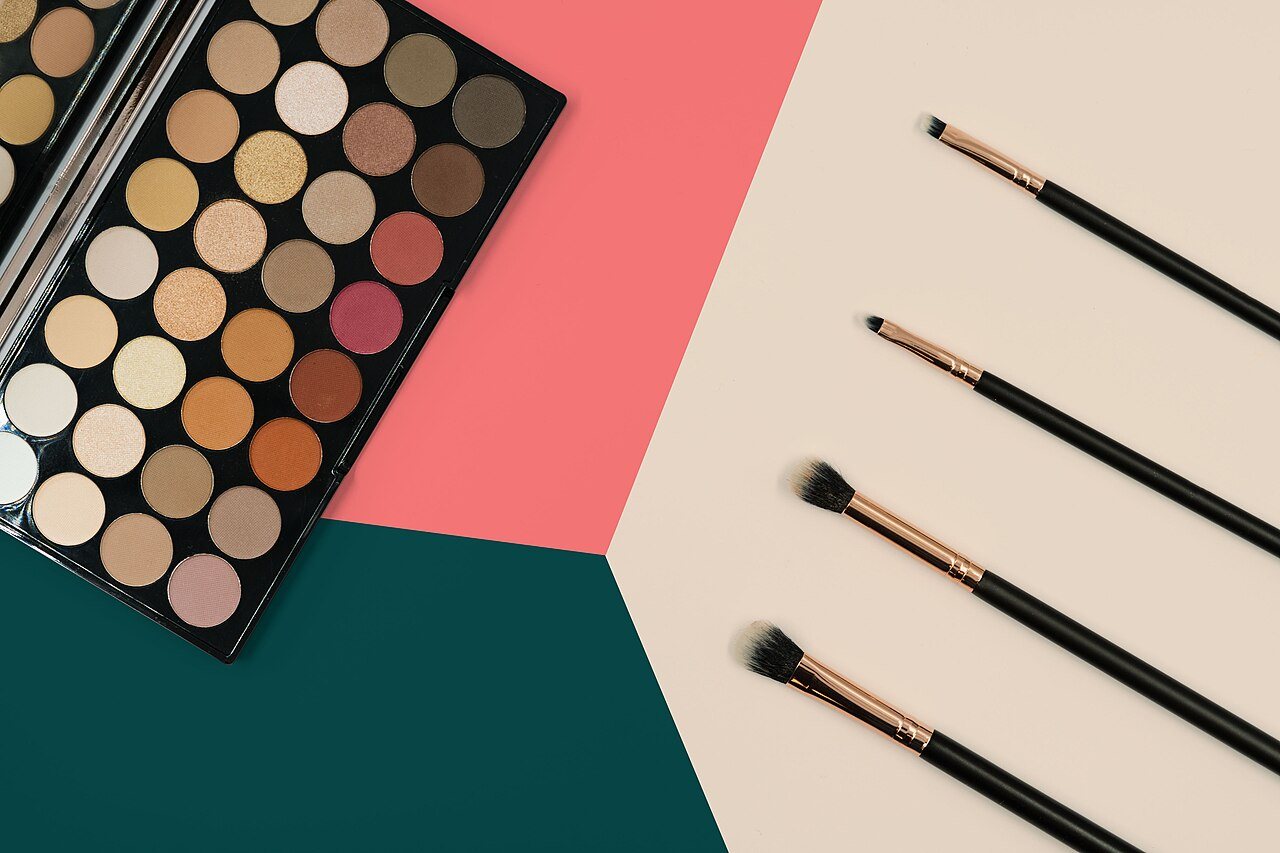
Photo: geehairimages, CC BY 2.0, via Wikimedia Commons
It always happens at the worst moment. You knock a compact off the bathroom counter, it lands face down on the tile, and when you open it the blush you liked is a pile of pink rubble. Or you twist a lipstick up a bit too far, put the cap on crooked, and the bullet snaps clean off at the base.
Both are fixable in about ten minutes of actual work, plus some waiting. The powder fix uses rubbing alcohol, the lipstick fix uses a little heat and the freezer, and neither needs anything you're unlikely to have at home. Of all the beauty hacks floating around, this is one of the few I'd recommend without any hedging.
A quick ground rule before you start: if the product is old enough that you can't remember buying it, or it smells off, this is your sign to replace it rather than repair it. Most cosmetics carry a small open-jar symbol with a number like 12M, which is the maker's suggested use period after opening.
Why the alcohol trick works on pressed powder
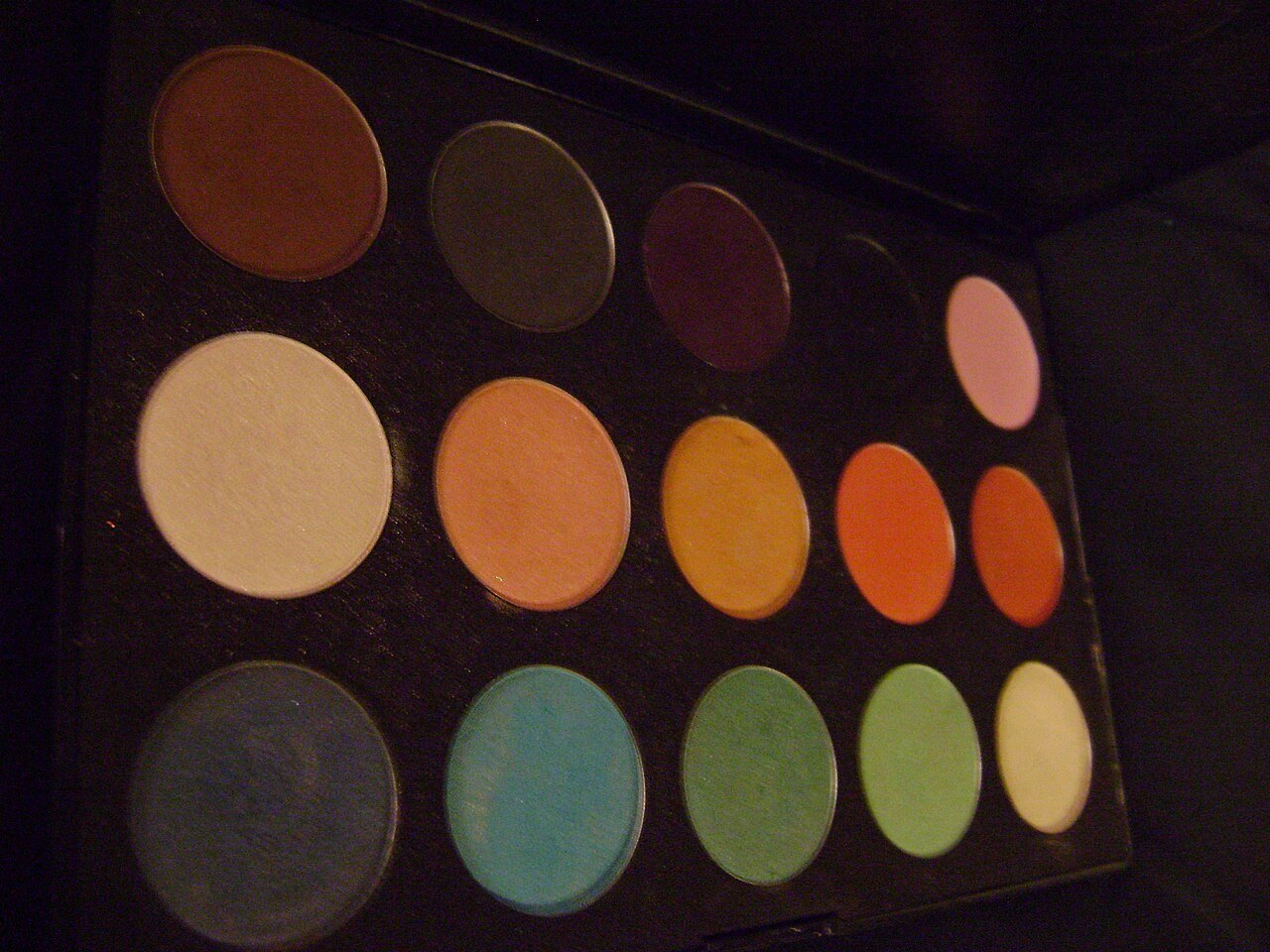
A palette of fifteen pressed eyeshadow pans in browns, oranges, greens and blues. Photo: Evi Michailidou, CC BY-SA 3.0, via Wikimedia Commons
Pressed powders, which include most blushes, bronzers, eyeshadows and setting powders, start life as loose pigment mixed with binders, usually oils or waxes. At the factory the mixture is pressed into the pan under pressure, and that's what holds it together as a cake.
When the cake shatters, you can't just push the pieces back in, because dry powder won't bond to itself. Rubbing alcohol (isopropyl alcohol) solves that. It wets the powder into a paste so the particles pack tightly again, then it evaporates completely and leaves the pigment and binders behind, pressed into place. Water doesn't work as well because it evaporates slowly and can leave the powder patchy or encourage mold.
Fixing a broken compact, step by step
Crush what's left into fine powder. Use the back of a clean spoon, a cotton swab or a toothpick to break up any big chunks still in the pan, so the texture is even. If some fell out onto the counter and the counter was clean, you can tip it back in; if it landed in the sink, let that part go.
Add rubbing alcohol a few drops at a time. Isopropyl alcohol at 70% or higher works; higher concentrations dry faster. Stir with the toothpick until you have a smooth, damp paste, about the consistency of wet sand. Too much alcohol makes a soup that takes forever to dry.
Press it flat. Wrap a coin, or the flat bottom of a small bottle, in a paper towel or a thin cotton cloth, and press down firmly and evenly. The cloth soaks up the extra alcohol and leaves a faint pattern on the surface, which some people like and some people scrape off later.
Leave it open to dry. Give it several hours, ideally overnight, in a well-ventilated spot. It's ready when it feels completely dry and firm to the touch.
The result usually looks nearly as good as new. Shimmery and baked powders can come back with a slightly different finish, because the pressing process at the factory is hard to copy with a coin, but they're perfectly usable.
Saving a snapped lipstick
A lipstick bullet is mostly wax and oil, so heat lets you weld the two halves back together.
Hold the broken piece and gently warm its bottom end with a lighter for just a second or two, until the surface looks glossy. Do the same with the stub still in the tube. Press the broken piece straight down onto the stub, then use a toothpick to smooth the seam all the way around. Put the lipstick in the freezer for 15 to 30 minutes so the join sets hard before you use it.
If the break is jagged or the piece is too small to hold, there's an easier option. Scoop the broken lipstick into a small clean container or an empty pill-sized pot and use it with a lip brush. Lots of makeup artists prefer working this way anyway, so you aren't settling for much.
Safety notes
Rubbing alcohol is flammable, and so is the vapor it gives off. Do the powder fix away from candles, gas stoves and anything with an open flame, and never do the lipstick and powder repairs side by side. Work in a ventilated room and keep the alcohol out of reach of children.
When warming lipstick, keep the flame brief and well away from your fingers, and do it over a sink or a heat-safe surface. A hair dryer on its warm setting is a slower but gentler alternative to a lighter. And if you have sensitive skin or eyes, let repaired powder dry fully before use so no alcohol is left in it.
When it isn't worth it
Cream products, such as cream blush or cream eyeshadow, don't repair this way, since they aren't pressed powder to begin with. If one gets crushed, scoop it into a small pot and use it as it is. Liquid foundation in a broken glass bottle should simply go in the bin; it's not worth the risk of tiny glass fragments.
And if the powder was cracked because it fell in the sink or the bathtub, or the lipstick sat in a hot car long enough to melt and re-set, it's a better idea to replace it. Moisture can encourage bacteria, and a lipstick that's melted can separate into oily and waxy parts that never quite blend again.
Keep it from happening again
Most broken powders come from a drop, so a padded makeup bag helps more than any repair trick. Some people press a cut-to-size round of paper towel into the compact before closing it; it acts as a small cushion and catches loose powder when you travel. For lipsticks, twist the bullet all the way down before capping it, and don't leave them on a sunny dashboard or a radiator shelf.
See more of us on GoogleAdd Hacks Detective as a preferred source and our stories can show up more often for you in Top Stories.